
There is a certain silence that follows exile. Not the silence of peace.
But the silence that comes when everything familiar is taken away. When home is no longer a place you can return to, but only a memory you carry inside you.
To be far from home is not only about distance.
It is about losing the ground that once held you steady.
Home is where your language flows naturally. Where people understand your gestures before you explain them. Where your name sounds normal. When that disappears, you arrive in a new land with your body—but parts of who you are feel left behind. Even simple things become difficult. You must learn how to speak again. How to behave. How to belong.
In exile, survival replaces dreaming.
You wake up asking questions:
How will I live?
How will I be treated?
Will I be allowed to stay?
Belonging is no longer certain. Rest feels temporary. Even sleep carries worry.
Far from home, identity begins to change. You are not fully accepted where you arrive, but you can no longer live as you once did. You exist in between. Culture, which once felt natural, becomes something you must defend—or hide.
Sometimes you soften your accent.
Sometimes you stay quiet.
Sometimes you pretend not to be fully yourself—just to survive.
Fear teaches silence. When you live under systems that were not built for you, speaking up can feel dangerous. So anger turns inward. It becomes stress. It becomes mental exhaustion. It becomes a quiet pain that is hard to explain.
And yet, memory does not disappear.
Memory becomes your treasure.
The smell of home.
The rhythm of songs.
The way your people greet one another.
Memory hurts—but it also protects you. It reminds you who you are.
But something else happens too.
When people are pushed into silence, they begin to create new languages.
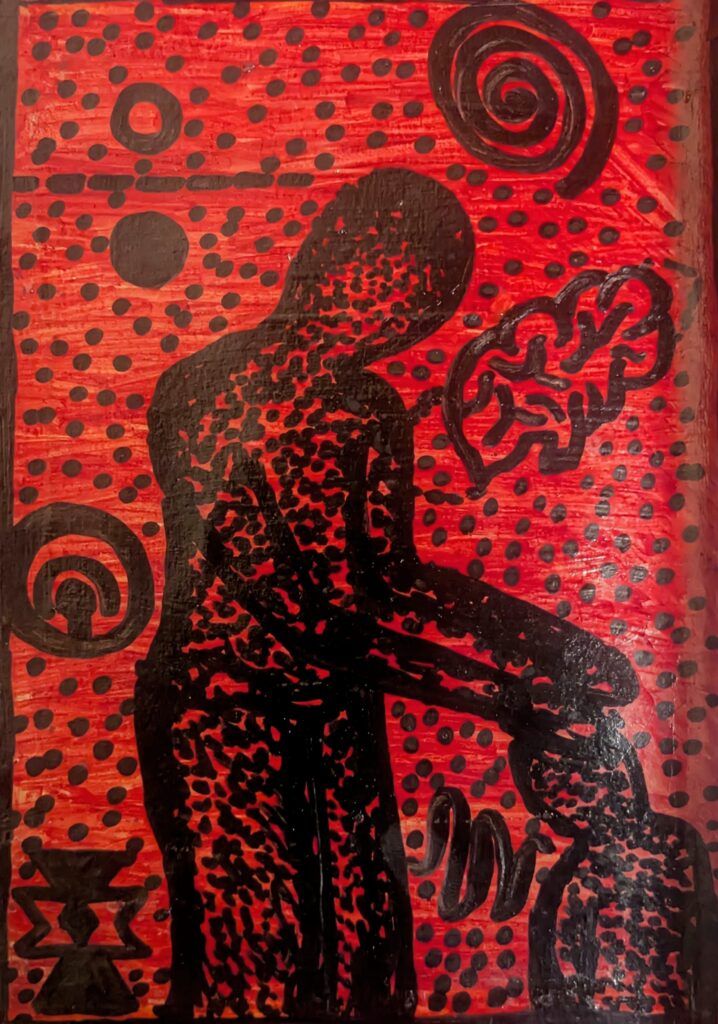
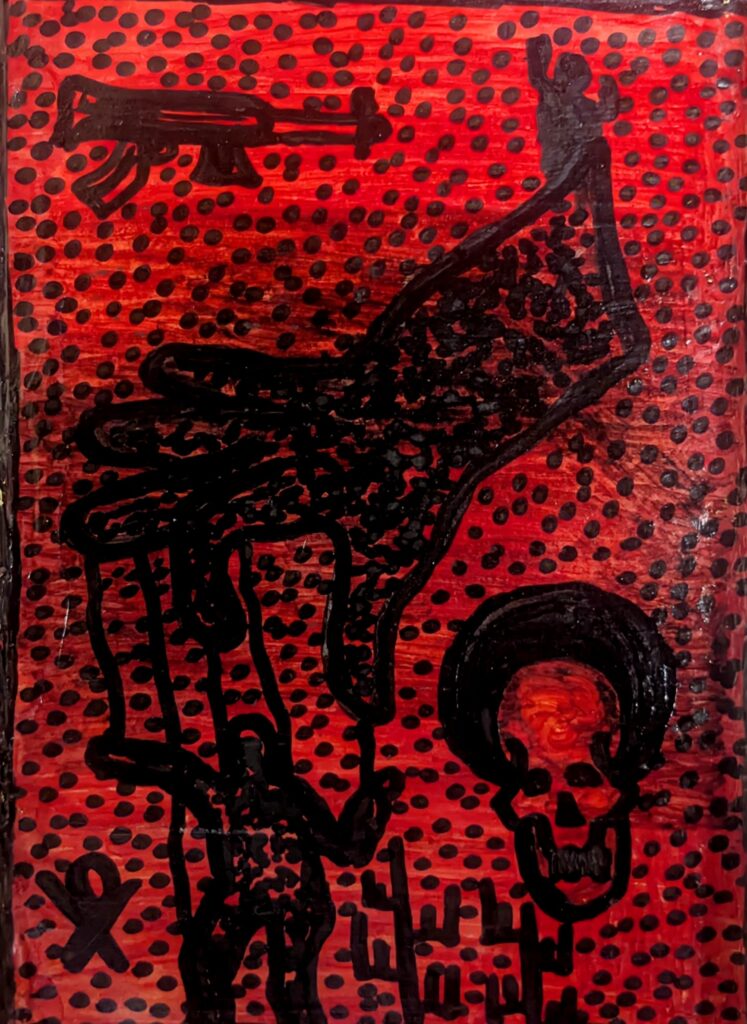
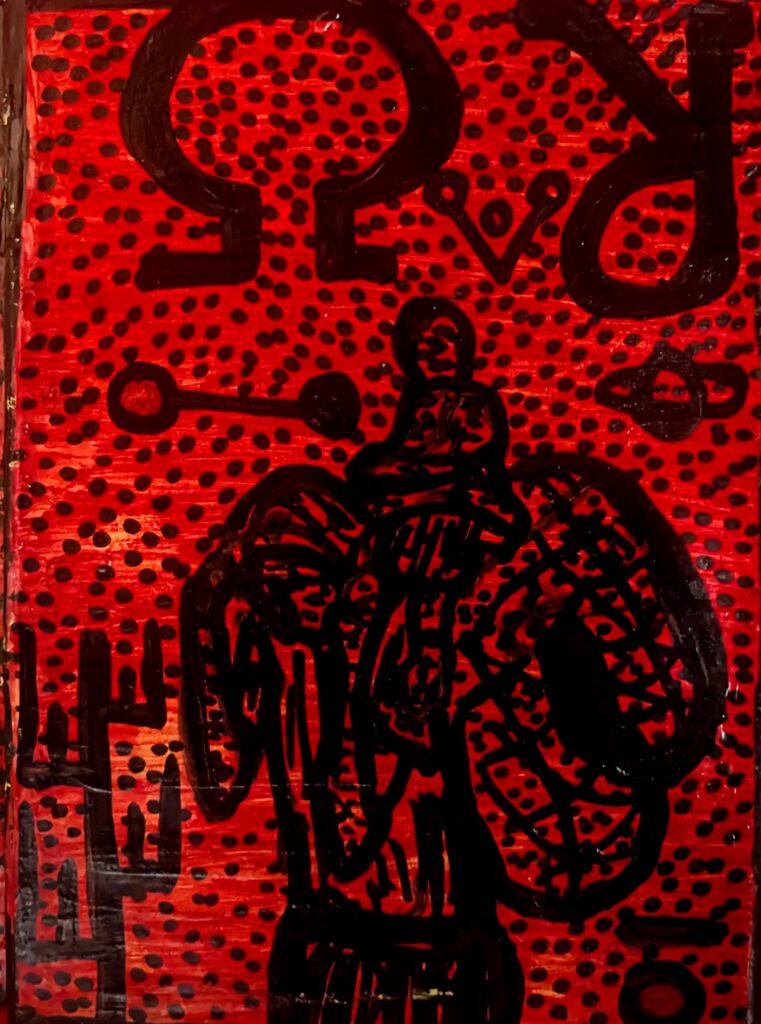
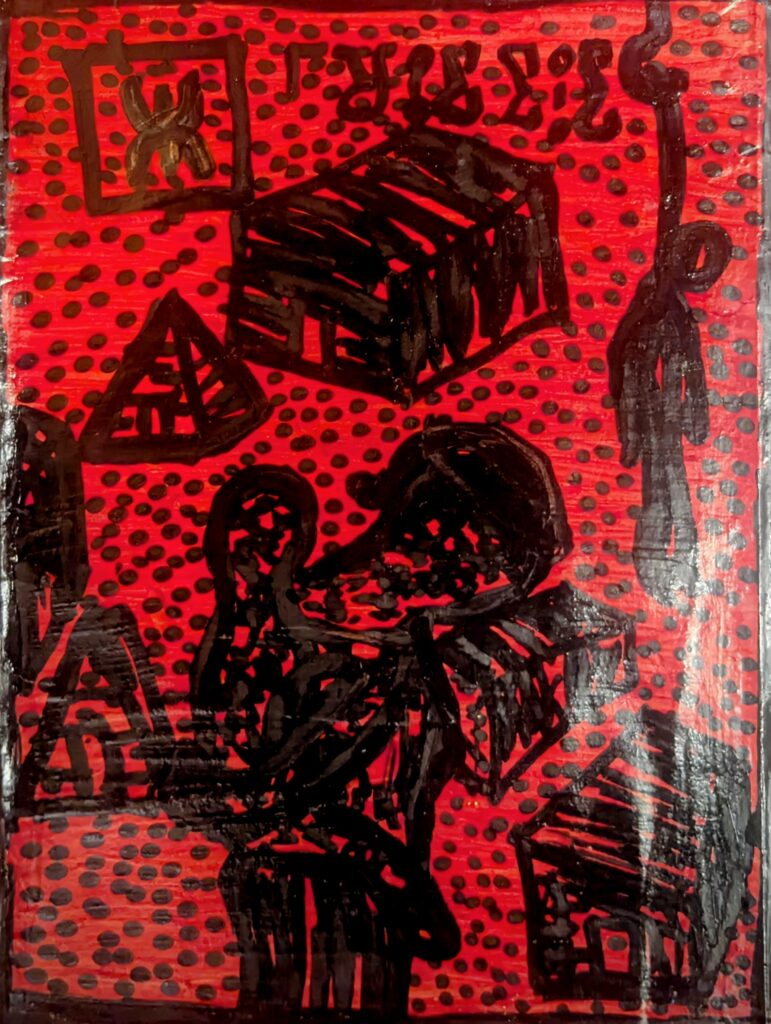
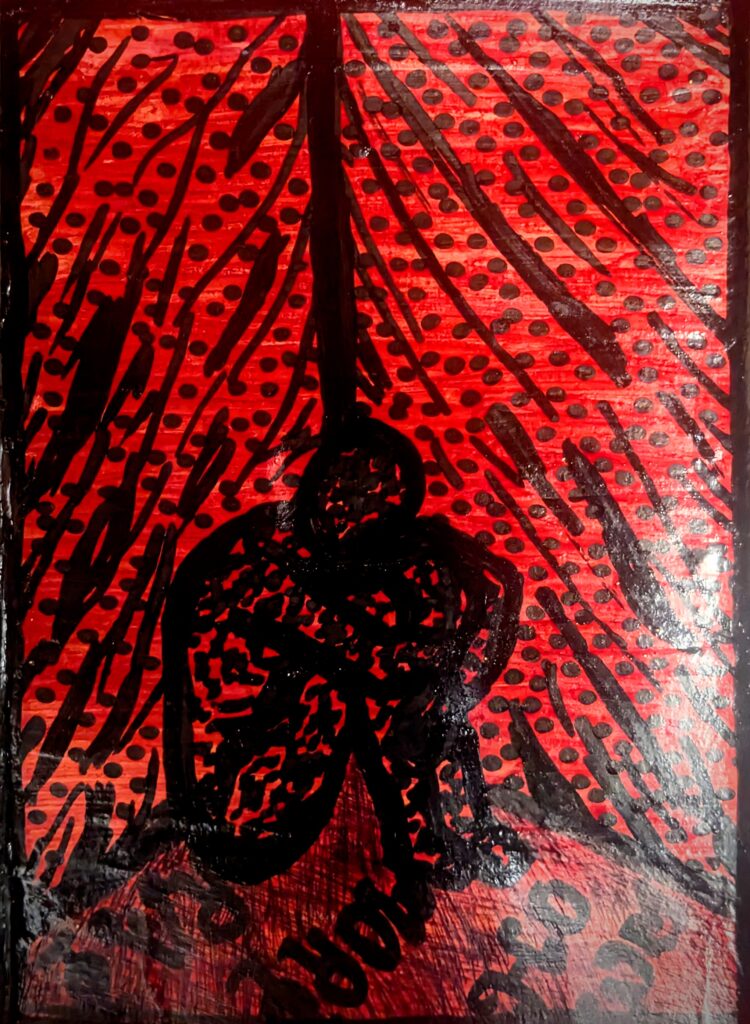
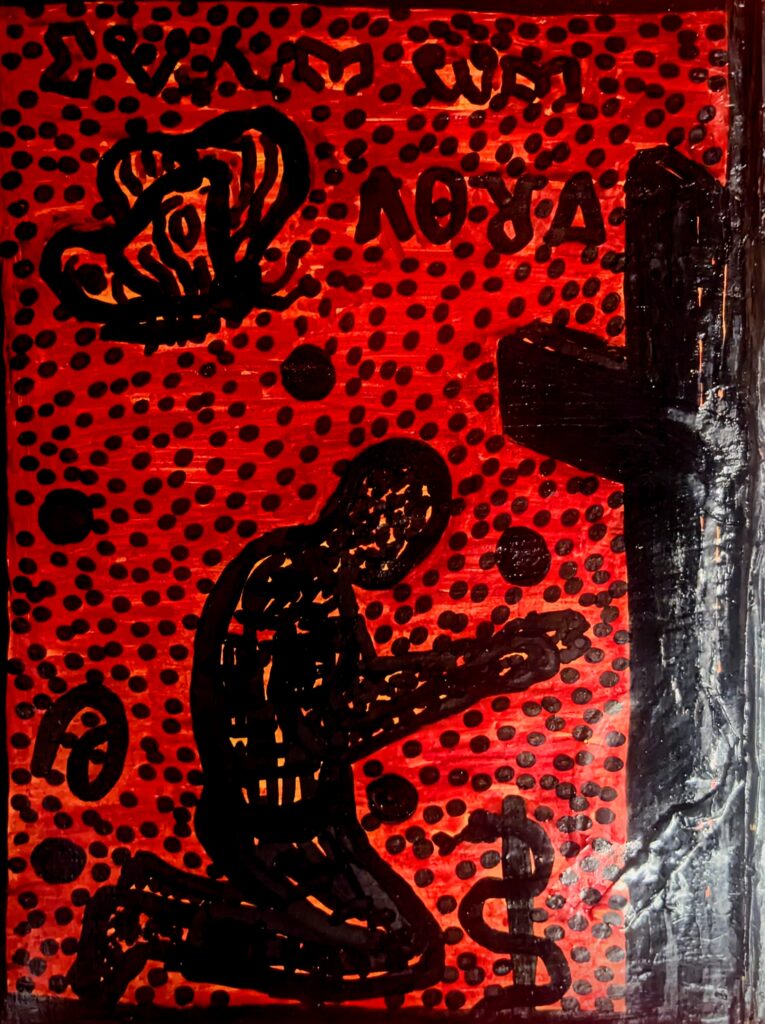
History shows us this. During the transatlantic human trade, enslaved Africans were stripped of their names, their languages, their lands. They were forced into silence. But they did not disappear. They created new forms of resistance. Hand-clapping chants became coded communication. Spiritual songs carried hidden messages. Hairdressing patterns became symbols of identity, maps of memory, signs of belonging. Culture became language. Silence became expression.
These were passed down from generation to generation. The voice of home called loud that it was hard to forget.
Oppression tried to erase them. Instead, they created.
The same thing happens to people far from home today.
When we cannot speak freely, we create new ways of speaking. Through art. Through music. Through style. Through small daily acts of resistance. We build new cultures of survival. We pass them down to our children. What was meant to silence us becomes another form of voice.
Still, fear remains.
There is always the worry that one day we may be told again:
You do not belong.
You must leave.
This fear lives in many diaspora communities around the world. It is not because we wanted to leave home. It is because life forced us to. War forced us. Violence forced us. Politics forced us.
And history keeps repeating itself.
Our ancestors were taken far from home. Today, their descendants still face discrimination, racism, and rejection. The words may change, but the message feels familiar: you are not from here.
And yet—we endure.
To be far from home is to carry grief and strength at the same time. It is to feel invisible, but still refuse to disappear. It is to hold broken pieces of identity and slowly rebuild something new.
This is not just a story about loss.
It is a story about becoming.
Becoming people who remember.
Becoming people who adapt.
Becoming people who turn silence into language.
Far from home, you learn that home is not only a place. It is something you protect inside yourself. And sometimes, in the middle of displacement, something powerful is born — a culture of resistance, a new voice, a new way of surviving.
Even far from home, we remain human. And we create.
