I was born in a land where the sounds of conflict—shouts, gunfire, and the sudden chaos of war—were as familiar as the early songs of birds at dawn. My childhood unfolded under the shadow of instability, where stories of oppression and survival were passed down like inheritance. My grandparents spoke often about the regimes that had shaped our homeland, recounting journeys of fleeing, hiding, and enduring the uncertainty of violent times. As a child, I listened with curiosity, believing these stories were simply warnings meant to prepare us for a difficult world. Only later did I realize that they were not merely stories at all. They were fragments of a living history, echoes of experiences that had already begun shaping my own life before I even understood their weight.
Years later, the war that had once existed in stories arrived at our own doorstep. Communities that had once been filled with familiar faces and daily rhythms suddenly fractured. Neighbors disappeared without explanation, and families were forced to scatter in every direction, each searching for safety in unfamiliar places. The paths that once connected us to our homes, schools, and communities were replaced by roads of escape and uncertainty. Those who survived, including my family, eventually found ourselves in refugee camps. In those spaces, life was stripped down to its most basic form, where survival became the central focus of each day and the future felt suspended in an endless state of waiting.
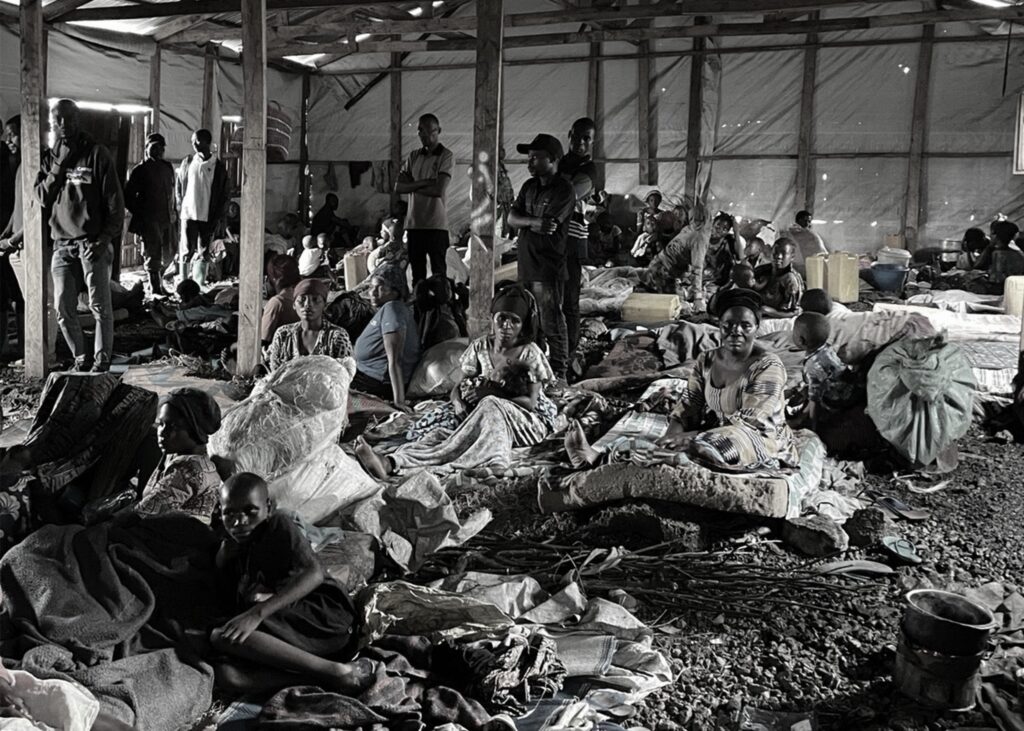
Inside the refugee camp, the meaning of life changed dramatically. The structures that once defined our identities—our homes, professions, routines, and social roles—were suddenly gone. People who had once been teachers, farmers, business owners, and community leaders found themselves reduced to waiting in lines for water, food, and the most basic necessities. Hope existed, but it was fragile and easily shaken by the daily realities of displacement. Nights often carried the heaviest burden, when memories of home returned with an intensity that could not be escaped. In dreams and nightmares, the past continued to live within us, reminding us of the lives we had lost and the uncertainty of what lay ahead.
Yet even in the midst of this upheaval, something from my childhood quietly survived—my fascination with art. I remembered the countless hours I had spent shaping stories in the mud, reenacting scenes inspired by films, or imagining heroes and conflicts within my own creative world. Back then, creativity was simply a form of play, an innocent way of exploring imagination without understanding its deeper significance. But in the refugee camp, those same creative impulses began to take on a new meaning. They were no longer games or childhood amusements; they became a means of survival, a way to hold onto something that the violence of displacement had not taken away.
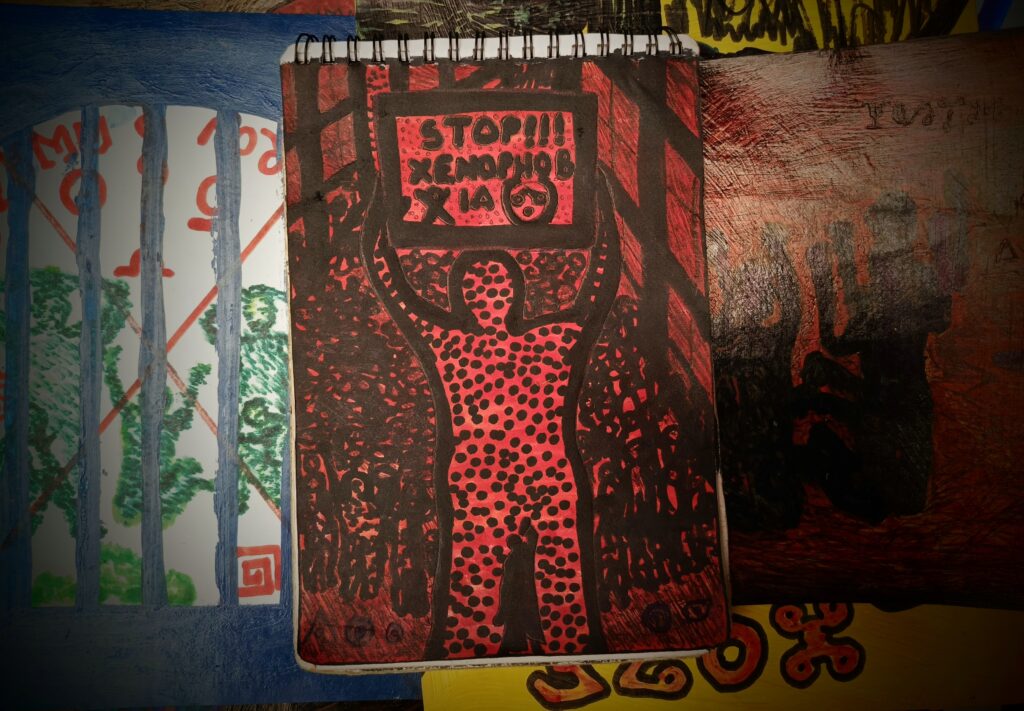
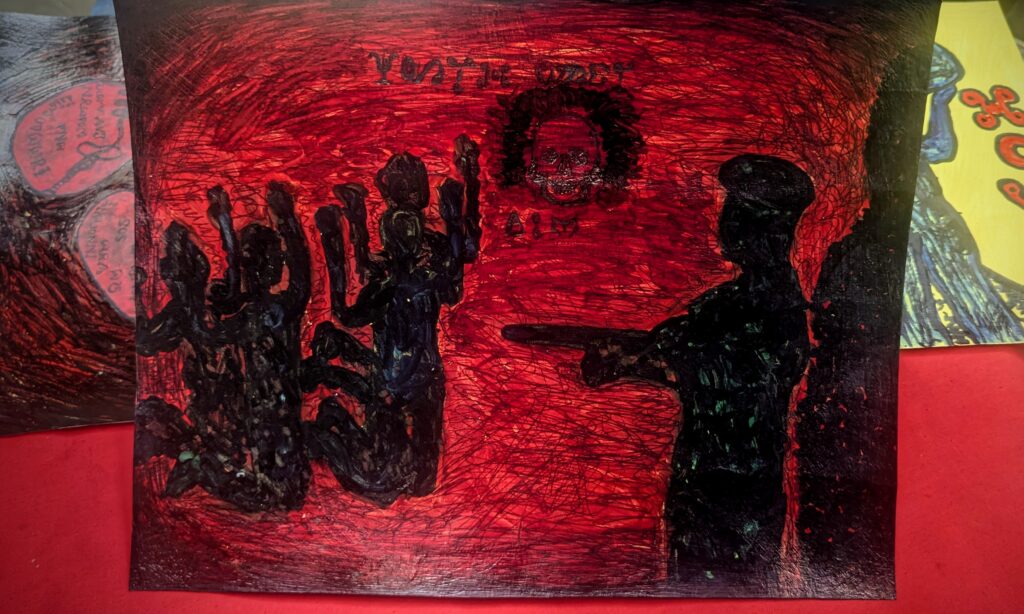
Through drawing, sculpting, and storytelling, I began to find a path through the confusion and pain that surrounded me. Art allowed me to preserve memories without being consumed by them. It offered a language for emotions that were too complex and too heavy to express through ordinary conversation. Where words often failed, colors, shapes, and forms could carry meaning. Each creative act became a quiet dialogue between my inner world and the realities unfolding around me. In creating, I discovered that memory could be transformed into something visible and tangible, something that could be understood and shared.
Slowly, art became more than a personal refuge; it became a way of understanding both the world and my place within it. What had once been a simple form of play evolved into a powerful tool for reflection and expression. The silent weight of memory—terror, loss, displacement, and longing—began to take form through creative expression. Colors carried emotion, shapes carried tension, and movement carried the rhythm of stories that could not easily be spoken. Through art, I began to see that even the most painful experiences could be transformed into something meaningful, something capable of communicating across boundaries of language and culture.
Over time, the act of creating also became an act of resistance. In environments where people often felt powerless and unheard, art offered a way to reclaim agency. It allowed me to take ownership of my story rather than allowing silence to define it. What began as a personal process of survival gradually evolved into a broader statement about resilience and the human capacity to transform suffering into expression. Art became a bridge connecting the past with the present, offering a glimpse of possibility even in circumstances where hope seemed distant.
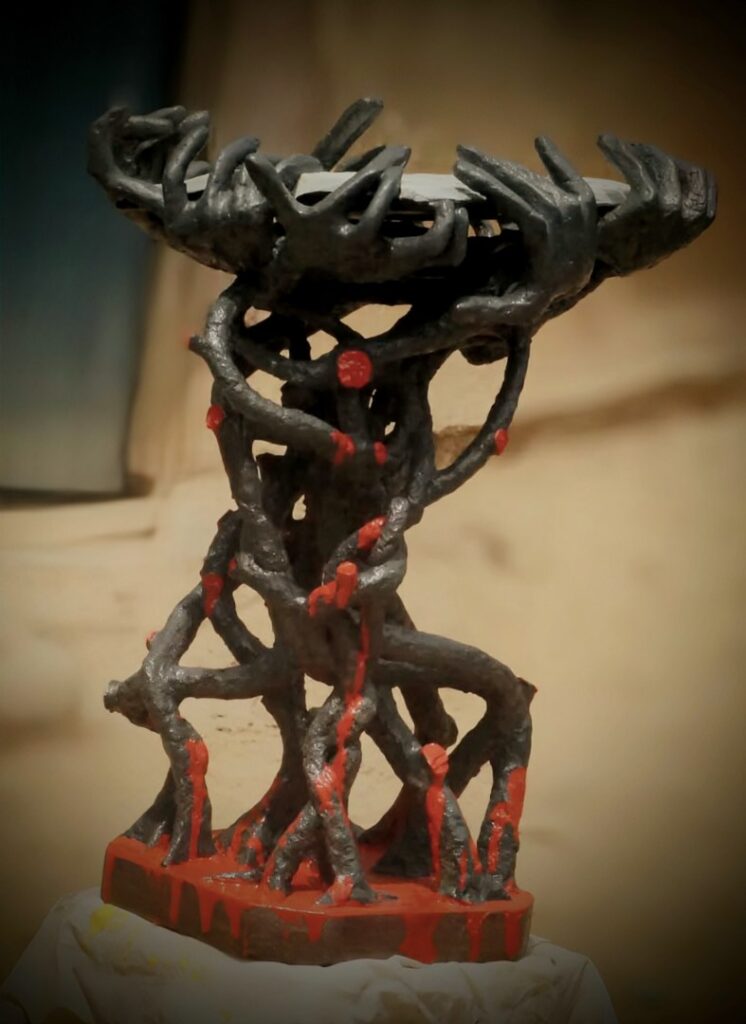
Through this process, I realized that my story was not unique. It reflected the experiences of countless others living within refugee communities around the world. I have witnessed how easily lives can fracture when people lose the ability to express themselves or to make sense of the changes imposed upon them. Individuals who once carried strong identities and clear purposes often find themselves drifting in environments where their voices are rarely heard. The loss of expression can slowly erode the sense of self, leaving individuals disconnected from both their past and their potential future.
Many policies and humanitarian interventions claim to support refugee communities, yet they often fail to grasp the complexity of lived experiences within these spaces. Decisions are frequently made far from the camps themselves, shaped by distant perspectives that do not fully capture the emotional and psychological realities of displacement. While these efforts may aim to provide assistance, they sometimes overlook the deeper human needs for dignity, creativity, and self-expression. In such environments, silence can grow heavier, reinforcing feelings of invisibility and abandonment.
Among the most affected are the youth who grow up within these uncertain conditions. Many young people struggle to find direction in environments where opportunities are limited and futures appear unclear. Without meaningful engagement or avenues for expression, days can pass without purpose, leaving individuals vulnerable to hopelessness and disengagement. Over time, this uncertainty can manifest in destructive patterns, as some seek temporary escape through alcohol, drugs, or other forms of relief. The erosion of identity becomes visible as individuals who once held potential and ambition gradually lose their sense of direction.
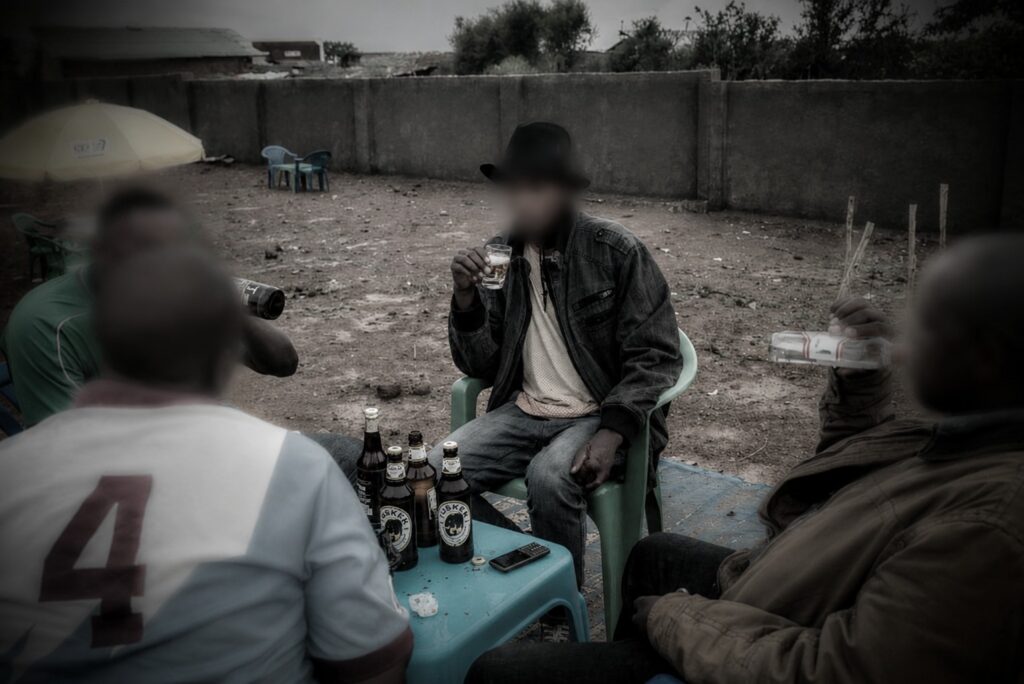
These struggles are not limited to one group alone. Men who once held respected roles within their communities may find themselves unable to fulfill the responsibilities that once defined their identities. Women, too, carry immense burdens as they attempt to maintain dignity and stability in circumstances that constantly challenge their resilience. Those who attempt to reclaim agency often encounter systems that fail to understand the realities they face. The result is a cycle of frustration and trauma that deepens with time.
This is why expression must never be treated as a luxury within refugee communities. The ability to create, to speak, and to tell one’s story is essential for human survival and dignity. Art, storytelling, music, and communal expression are not distractions from the hardships of displacement; they are powerful tools for healing and reconstruction. They allow individuals to process trauma, reconnect with identity, and rebuild a sense of purpose that extends beyond the conditions imposed upon them.
Breaking the silence of memory is therefore more than an artistic act. It is a necessary step toward reclaiming humanity in places where silence has often been imposed by circumstance. Through expression, memories that once carried only pain can be transformed into narratives of resilience and possibility. They remind us that even in the most difficult conditions, the human spirit retains the ability to create meaning and connection. In giving voice to these memories, we begin to restore the thread that links past experiences to future hope
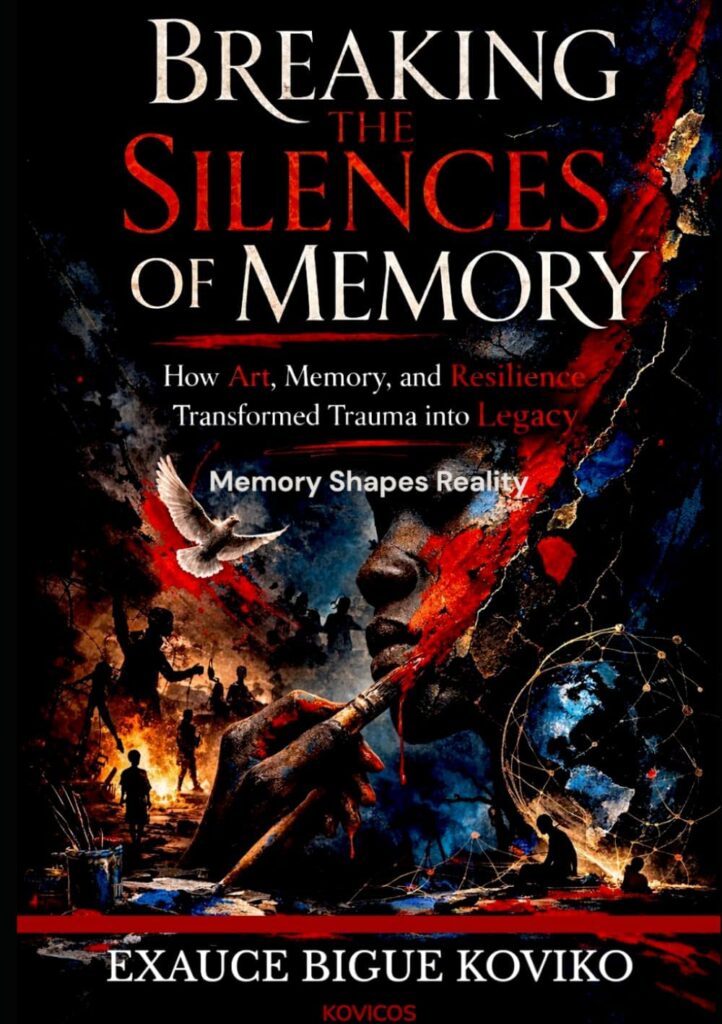
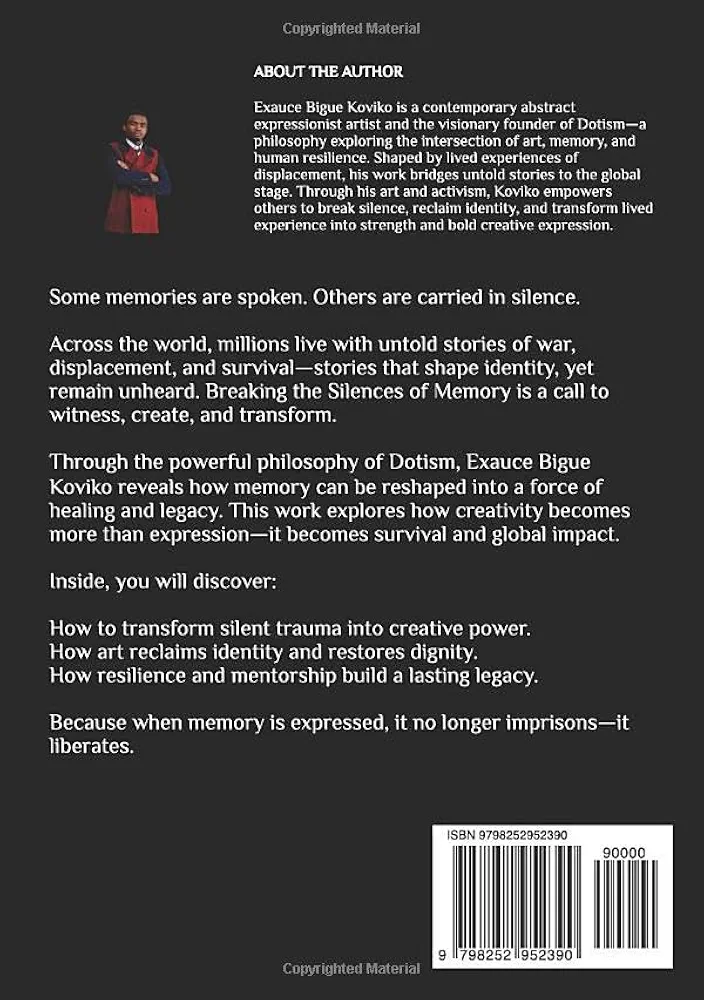
This Article is adapted from my book Breaking the Silences of Memory.