
The Legacy of Exploitation
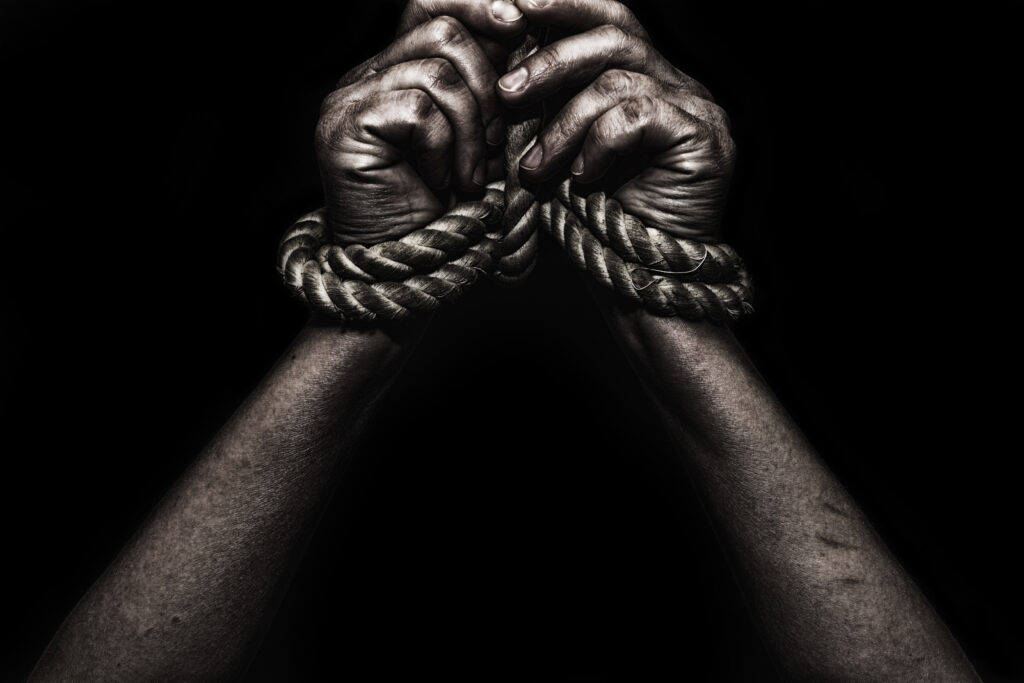
Human trafficking is not new. It is an old wound that never healed. What we witness today in refugee camps, borderlands, informal labor markets, and underground networks is not an isolated phenomenon but a modern mutation of an ancient system of exploitation. The transatlantic slave trade, colonial domination, and contemporary human trafficking are chapters of the same story, written with different tools but driven by the same logic: the commodification of vulnerable human lives.
Bloodlines of Memory
I believe that the ancient slave trade is an undeniable heritage mark carved into the plateau of our collective soul. Deep within our veins flows a stream of blood subconsciously carrying this memory. Even when history books fall silent, the body remembers. Trauma travels across generations, embedding itself into identities, cultures, and destinies. Colonialism did not erase slavery but archived it within our bloodlines, hollowing our inner worlds and reopening the wounds left by forced displacement, dehumanization, and economic extraction. This archive did not end with abolition. It evolved.
Vulnerability in Exile
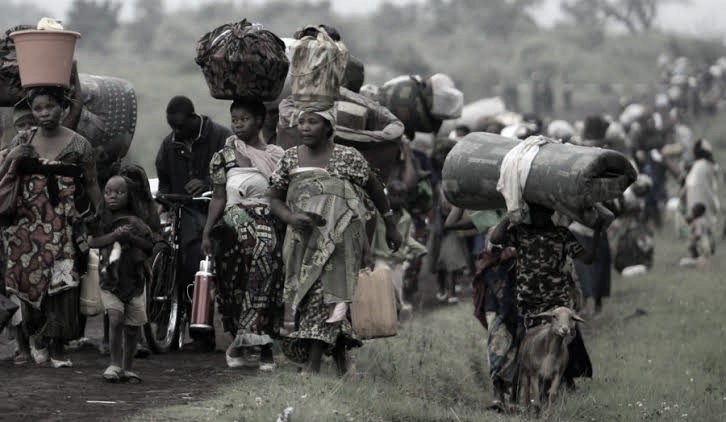
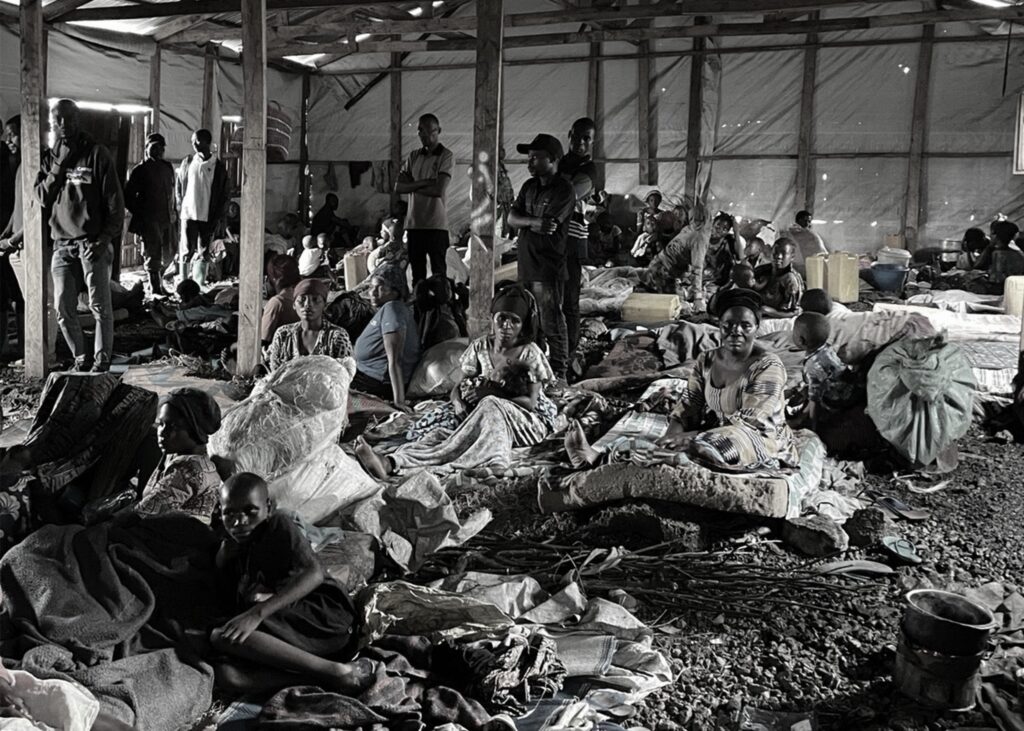
Today, human trafficking thrives in the shadows of global inequality, political instability, and forced migration. Refugees as people already deprived from their homes, security, and dignity, they become the most exposed. The continuous wars, civil conflict, and systemic violence force millions into exile. Countries like the Democratic Republic of Congo, South Sudan, and many other regions across Africa have produced generations of displaced people who live in prolonged uncertainty, often for decades. This has long evolved exile as not only a physical condition but as a psychological and structural trap whereby they are placed under limitations that go far beyond material poverty. As refugee denial to access formal employment, education, mobility, and self-determination becomes a daily routine. We carry; yes, you heard well, we carry haunting memories of violence, loss, and survival that demand healing, our yet existence dwells in environments that provide no space for recovery. In such conditions, human traffickers see opportunity and to them our vulnerability becomes currency. Our desperation becomes leverage in their eyes.
Modern Faces of Trafficking
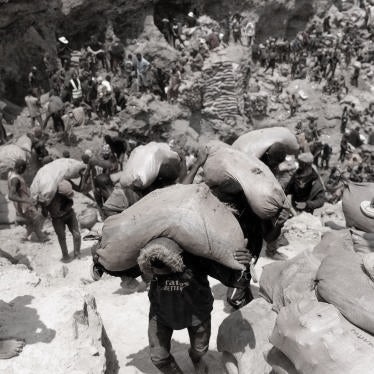
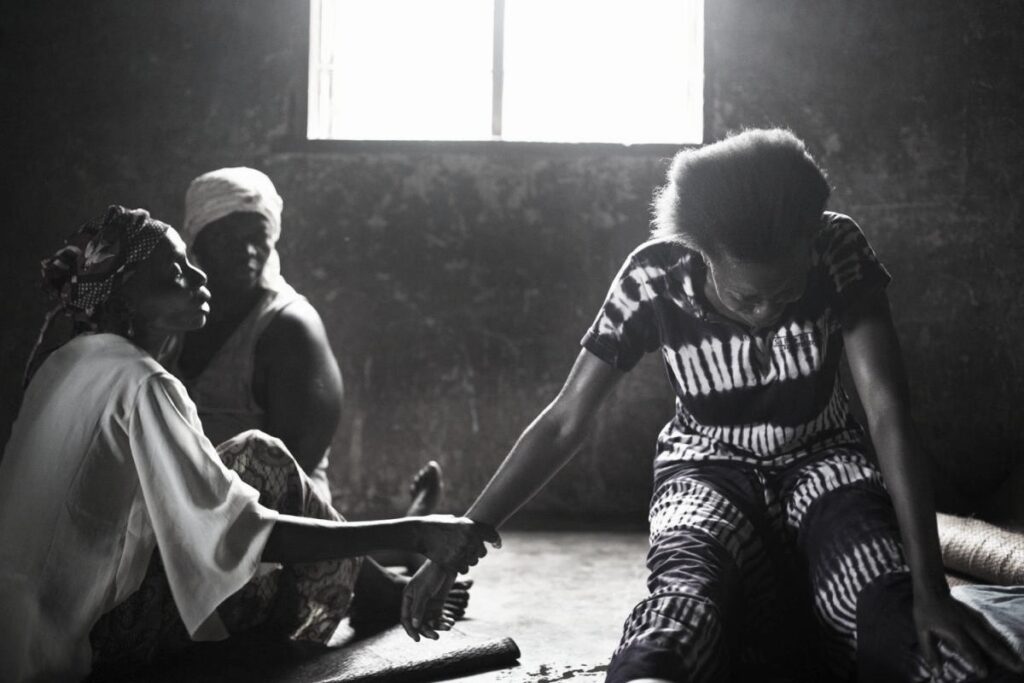
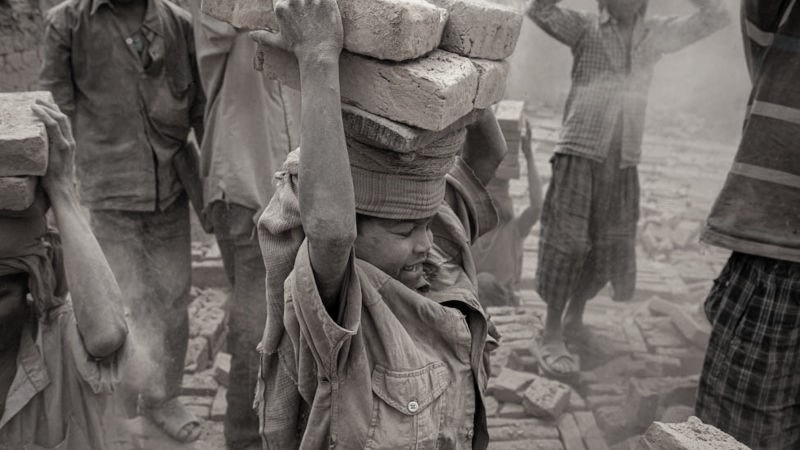
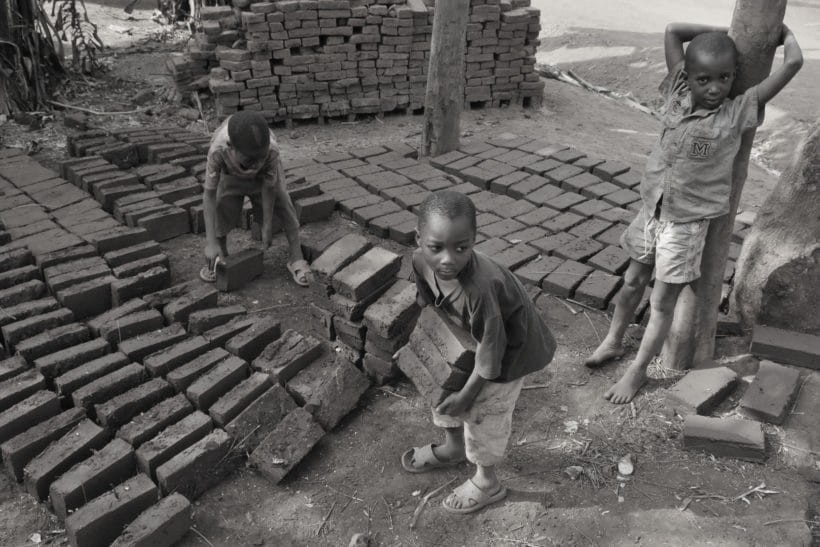
Human trafficking today wears many faces: forced labor, sexual exploitation, child trafficking, domestic servitude, and false promises of migration, work, or education. It feeds on silence, fear, and survival instincts. It preys on people who have been pushed to the margins of legality and visibility. Refugee camps and informal settlements, meant to offer protection, often become hunting grounds for exploitation. This is why human trafficking is not merely a criminal issue but a structural and moral crisis.
Art as Resistance and Healing
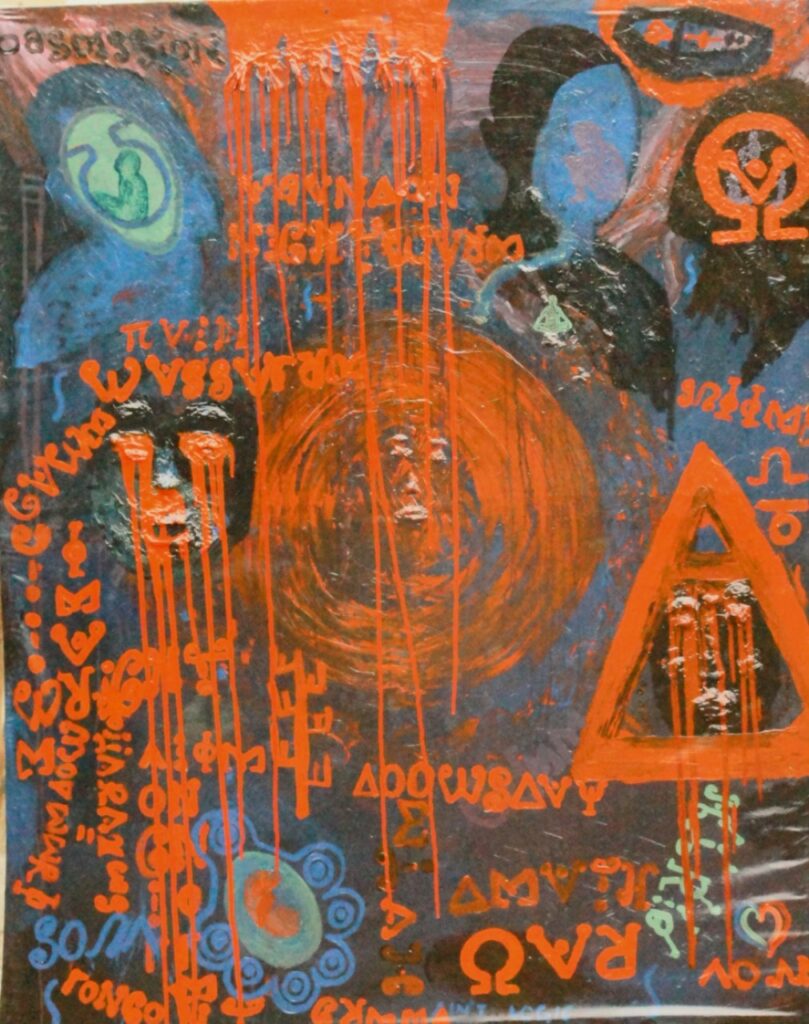
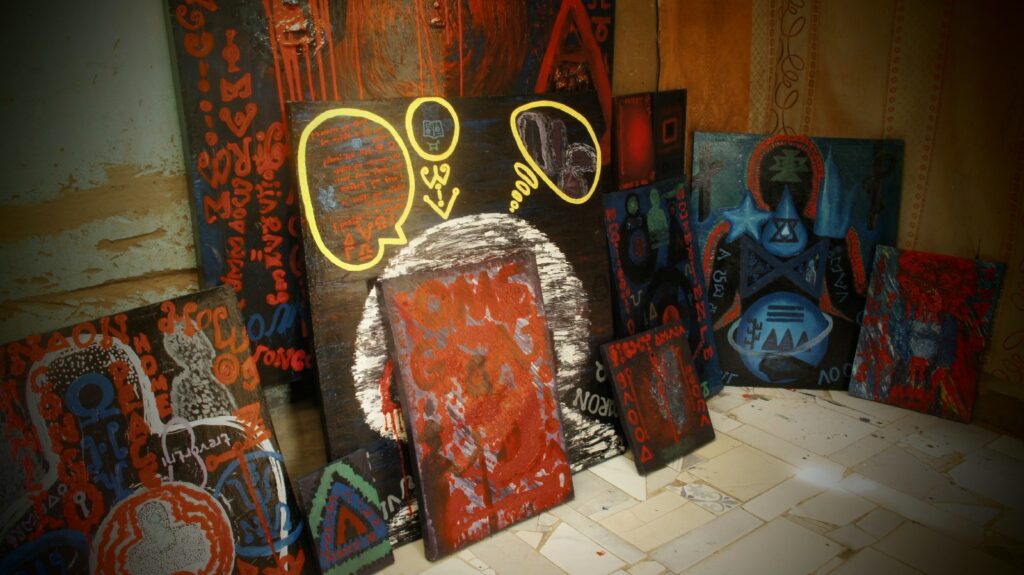
As a refugee, as a survivor of civil war, and as an artist, I do not speak about this from theory alone. I speak from lived experience. Displacement itself is a form of slow violence. It weakens identity, fractures dignity, and exposes the human spirit to continuous negotiation with survival. I have been vulnerablized by war, exile, and systemic exclusion. Yet within this vulnerability, I discovered something powerful: art. I am a contemporary symbolic abstract expressionist working around themes of displacement, diaspora memory, resilience, identity, and freedom. Through my work, I confront human trafficking not only as a social crime but as a spiritual imprisonment. My collection, The World of Circles, is a confrontation and a call to action. It exposes what I describe as the global loop matrix, a system that keeps marginalized people circulating within cycles of dependency, exploitation, and invisibility.The symbols colors and general compositions in my work originate from a philosophy I call Dotism whereby I believe that “From something comes everything, and from everything comes something” hence my work becoming a testament of both entrapment and resilient possibility. Trauma can generate destruction, but it can also generate consciousness. Art transforms pain into language. It gives form to what has been silenced. It allows survivors to reclaim authorship over their own stories.
Hope and Liberation
Confronting our haunting memories I believe is the right path to Healing and not hiding them in fear of our true self. Though we can try do whatever we can do without confronting our worst and haunting nightmares, I believe these stories engulf the life we hold in our bones while killing us slowly just like a virus. Unconfronted memories evolve and turn their face into trauma and anxiety with time.
However healing, I believe, is possible through art. And to me art is not a luxury for the privileged it is a necessity for the wounded. For victims of human trafficking and forced displacement, art becomes a space of restoration, dignity, and voice. It allows individuals to externalize trauma, confront memory, and imagine freedom beyond imposed limitations. Through art, we resist being reduced to statistics or victims. We become narrators, witnesses, and agents of change.
In a world consumed by chaos, exploitation, and economic violence, I still believe in hope, not a passive hope, but a revolutionary one. There is someone out there crying for what we carry inside us. There are souls craving recognition, healing, and truth. By sharing our stories, by confronting systems of exploitation, and by creating spaces for artistic expression, we disrupt the continuity of this ancient chain. Human trafficking can end not only through laws and borders, but through consciousness, solidarity, and creative resistance.
Freedom begins when we recognize the patterns that imprison us and dare to imagine a different future. This is the value I bring to the table: art as testimony, art as resistance, art as healing. Not as decoration, but as liberation.
Reach out for collaboration and strategic partnership